
Maintenance and repair
Keep the system, or repair it once someone has looked.
Maintenance is a scheduled look at the equipment that already cools your home or business. If something needs repair, we talk about it once we know the condition of the system.
What a maintenance visit looks like
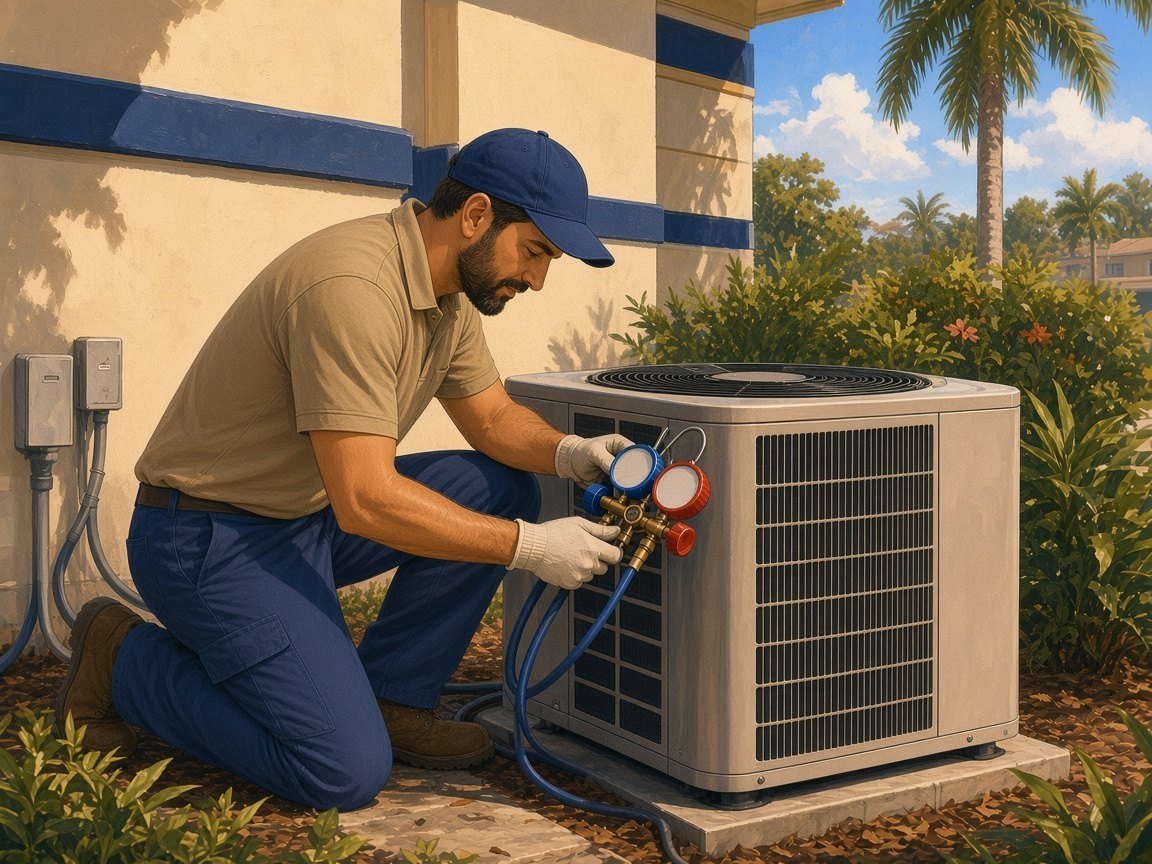
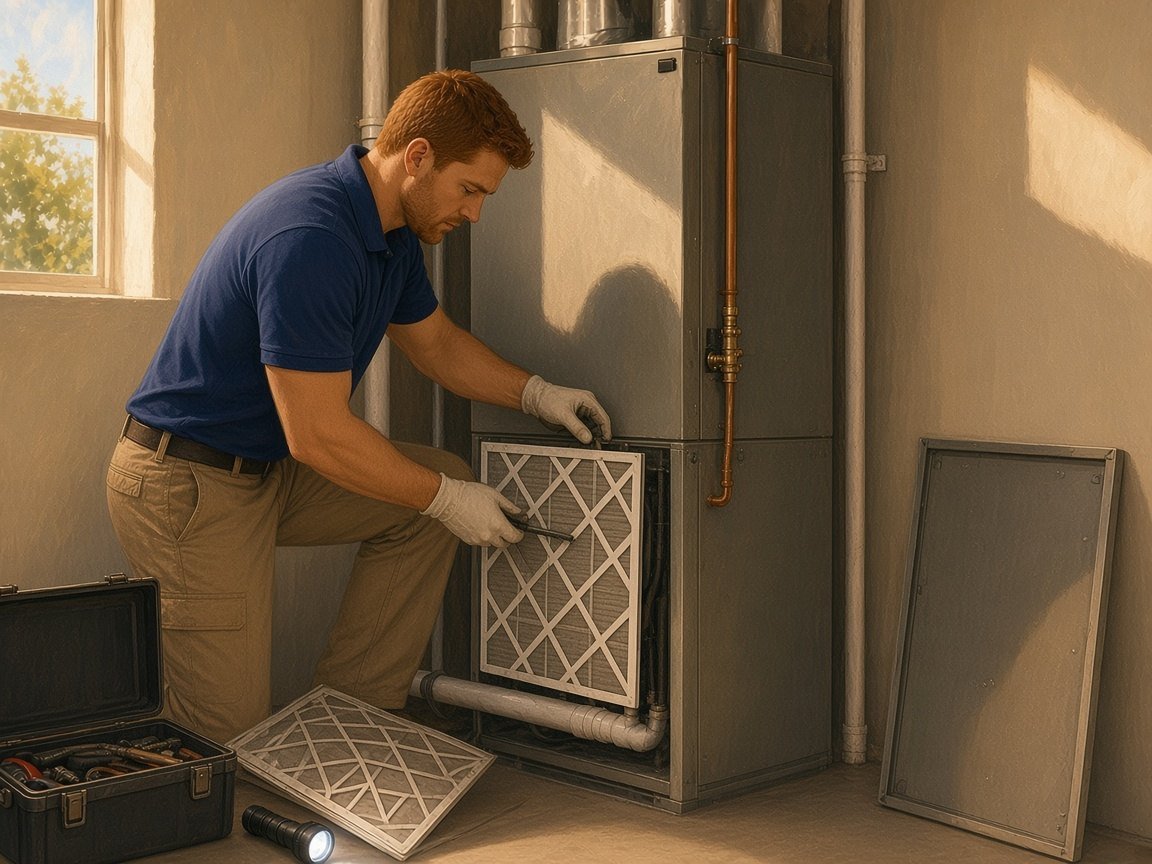
Why regular maintenance pays off
Small problems caught early
A visit can find a worn part, a weak connection, or a slow drain before it turns into a bigger repair.
Better airflow and cooling
Clean filters and coils let air move the way the system was designed for, so the rooms cool better.
A clear drain
In Florida humidity the condensate drain works hard. Keeping it clear helps prevent water backing up near the indoor unit.
Less chance of a breakdown
A system that is looked after is less likely to stop without warning during the hottest weeks of the year.
Homes
A maintenance visit for a house or condominium focuses on the system in that home: what it has, how it is running, and what it needs.
If the home is uncomfortable, say whether you want maintenance, a repair, or help deciding which one it is.
Businesses
Facility managers and owners can ask for maintenance on the systems that serve an office, a shop, or a similar workplace.
Say whether the visit is for one system or several, and who can give access.
What a maintenance visit can include
- Filters and airflow
- Indoor and outdoor equipment as it stands
- The condensate drain
- Whether the occupied rooms are actually cooling
- A repair only if the visit shows that one is needed
Common questions
How do I properly maintain an air conditioning system?
Good maintenance combines a few simple habits with regular professional service:
- Check the air filter regularly and replace or clean it when it looks dirty.
- Keep the outdoor unit clear of plants, leaves, and debris so air can move around it.
- Keep supply vents and return grilles open and unblocked.
- Schedule a professional visit to check the coils, the condensate drain, the electrical parts, and how well the system cools.
Why does my air conditioner drip water?
Some water is normal. As warm, humid air passes over the cold indoor coil, moisture condenses and is carried away by the condensate drain line; that is how the system dries the air. Water where it should not be, such as around the indoor unit, on a ceiling, or overflowing the drain pan, usually points to a clogged drain, a loose line, or a coil that is freezing up. If you see that, turn the system off and have it checked.
What are the signs my air conditioner needs maintenance or repair?
Ask for a check if you notice any of these:
- Little or no cold air.
- Weak airflow from the vents.
- Unusual noises, such as rattling, banging, or buzzing.
- Musty or burning smells.
- Water leaking around the indoor unit.
- The system takes a long time to reach the thermostat setting, or runs almost nonstop.
- Electric bills rising for no clear reason.
What happens when my air conditioner is not cooling well?
Weak cooling usually has a cause a technician can find. First make sure the thermostat is set to cool and the filter is clean. Other common causes:
- A dirty or clogged filter that restricts airflow.
- Dirty indoor or outdoor coils that cannot move heat well.
- Low refrigerant, usually because of a leak.
- A failing compressor, fan motor, or capacitor.
- Thermostat or electrical problems.
- A system that is too small for the space.
- Blocked vents or return grilles.
Can I do the air conditioning maintenance myself?
Partly. Changing or cleaning the filter, keeping the outdoor unit clear, and making sure vents are not blocked are simple tasks you can handle. Checking refrigerant, cleaning coils, properly clearing the drain, and testing electrical parts take training and tools, and handling refrigerant requires certification. Those are best left to a technician.
When is the best time for air conditioning maintenance?
Before the season of heaviest use. In South Florida that usually means late winter or spring, before the summer heat sets in. Because systems here run most of the year, a second visit during the year can make sense, especially for equipment that runs constantly or serves a business.
What are the benefits of preventive maintenance?
Regular maintenance helps the system:
- Use electricity more efficiently, because clean filters and coils let it work less.
- Last longer, with less wear on the compressor and other major parts.
- Avoid breakdowns on the hottest days, when service is busiest.
- Keep the air cleaner and the drain clear, which matters in Florida humidity.